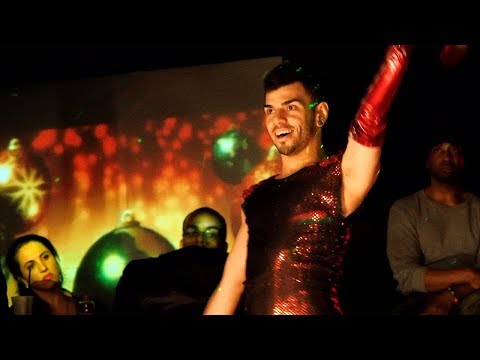
Ball culture, drag ball culture, the house-ballroom community, the ballroom scene or ballroom culture and similar terms describe a young African-American and Latin American underground LGBTQ+ subculture that originated in New York City, in which people "walk" (i.e., compete) for trophies, prizes, and glory at events known as balls. Ball culture consists of events that mix performance, dance, lip-syncing, and modeling. Events are divided into various categories, and participants "walk" for prizes and trophies. As a countercultural phenomenon, ball culture is rooted in necessity and defiance. Beginning in the late nineteenth century, members of the underground LGBTQ+ community in large cities began to organize masquerade balls known as "drags" in defiance of laws which banned individuals from wearing clothes associated with the opposite gender.
Participants were and are mainly young African-American and Latin American members of the LGBTQ community. Although some balls were integrated, the judges were always white, and African-American participants were often excluded from prizes or judged unfairly. In the early 20th century, African Americans and Latinos started their own balls. Ball culture then grew to include primarily gay, lesbian, and trans Black people and Latinos.
Attendees dance, vogue, walk, pose, and support one another in one or more of the numerous drag and performance competition categories. Categories are designed to simultaneously epitomize and satirize various genders and social classes, while also offering an escape from reality. The culture extends beyond the extravagant events as many participants in ball culture also belong to groups known as "houses", a longstanding tradition in LGBT communities, and racial minorities, where chosen families of friends live in households together, forming relationships and community to replace families of origin from which they may be estranged.